
Każdego roku 13 kwietnia, Polska i inne kraje, których obywatele padli ofiarą masakry katyńskiej, obchodzą Dzień...
Najnowsze artykuły
-
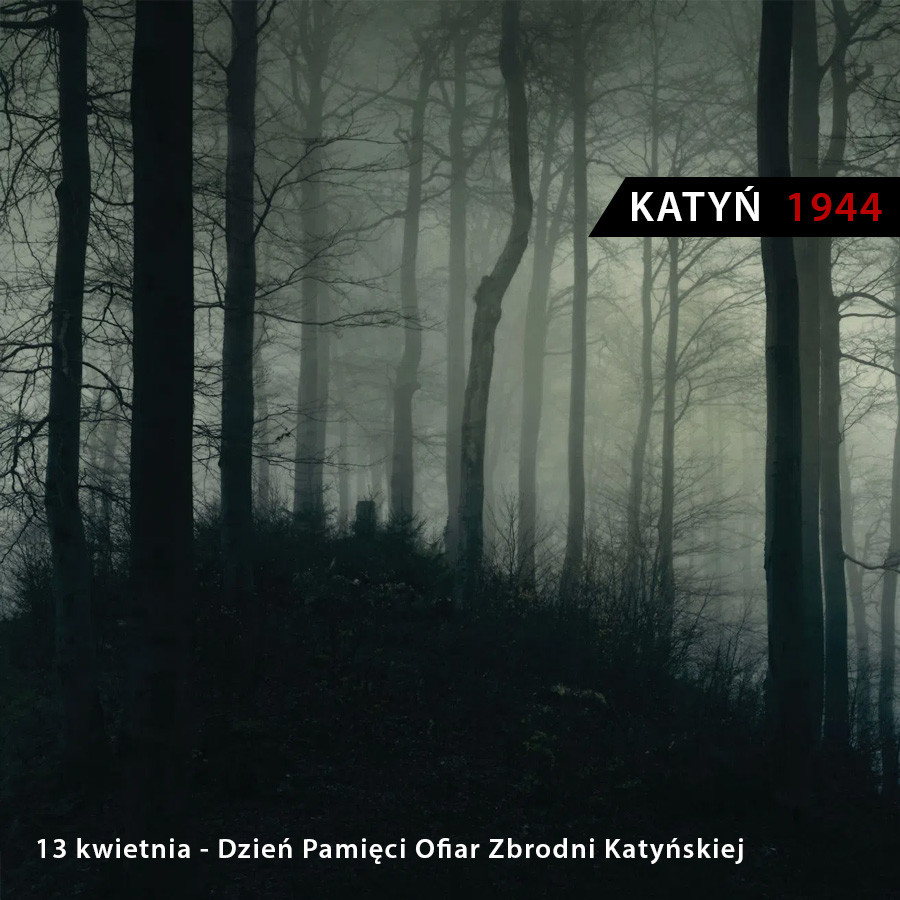 Dzień Pamięci Ofiar Zbrodni KatyńskiejWięcej...
 -
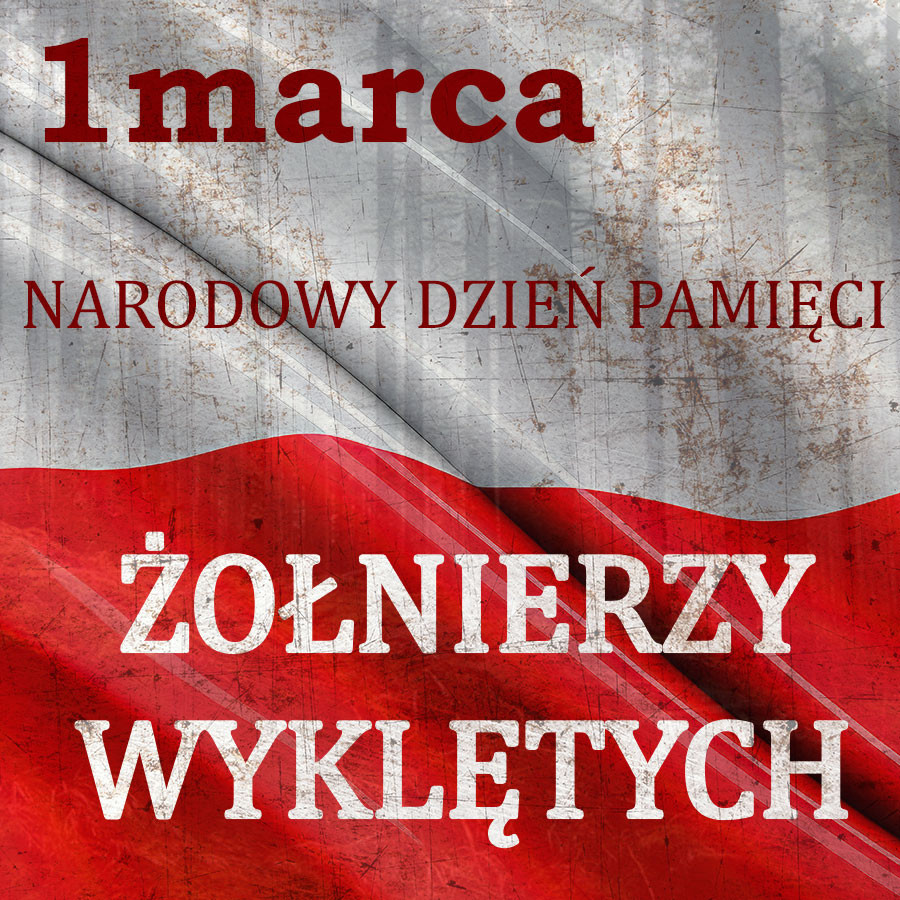 Narodowy Dzień Pamięci "Żołnierzy Wyklętych"Więcej...
1 marca każdego roku w Polsce obchodzony jest Narodowy Dzień Pamięci "Żołnierzy Wyklętych". To ważne święto...
-
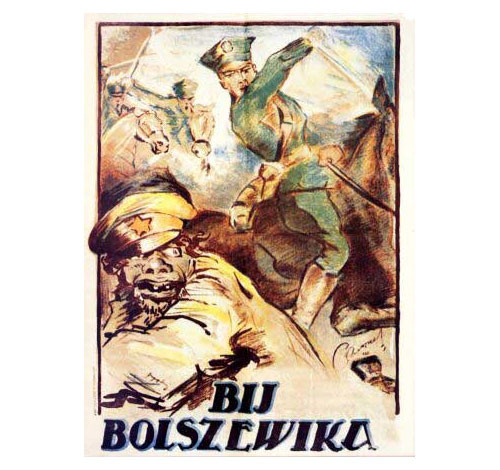 Wojna Polsko-Bolszewicka: Walka o niepodległość i kształtowanie nowoczesnej PolskiWięcej...
Wojna Polsko-Bolszewicka, znana również jako wojna polsko-sowiecka, była jednym z najważniejszych konfliktów w...
-
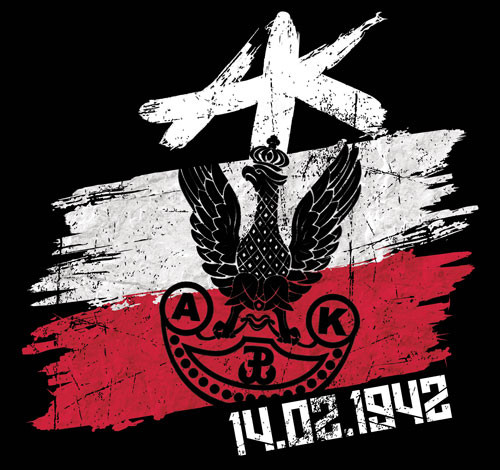 Rocznica utworzenia Armii Krajowej: Dziedzictwo i heroizm polskiego podziemia.Więcej...
Wiosna 1944 roku była czasem niepewności, ale jednocześnie momentem doniosłym dla Armii Krajowej (AK), jednej z...
Kategoria
Szukaj w blogu
Wojna Polsko-Bolszewicka: Walka o niepodległość i kształtowanie nowoczesnej Polski
Wojna Polsko-Bolszewicka, znana również jako wojna polsko-sowiecka, była jednym z najważniejszych konfliktów w historii Polski, kształtującym losy kraju i wpływającym na jego dalszy rozwój polityczny, społeczny i kulturowy. Trwająca od 1919 do 1921 roku, wojna ta stanowiła nie tylko zbrojne starcie między Polską a Rosją Radziecką, ale również kluczowy moment w procesie odzyskiwania niepodległości przez Polskę po latach rozbiorów. Niniejsze wypracowanie skupi się na analizie przyczyn, przebiegu i skutków Wojny Polsko-Bolszewickiej, a także na roli, jaką ten konflikt odegrał w kształtowaniu nowoczesnej Polski.
Początki Wojny Polsko-Bolszewickiej miały swoje korzenie w chaosie po zakończeniu I wojny światowej i upadku zaborczych mocarstw. Polska, po 123 latach rozbiorów, odzyskała niepodległość w 1918 roku, jednak jej granice i stabilność były nadal kwestią otwartą. W tej sytuacji powstała realna groźba ze strony rewolucyjnej Rosji Radzieckiej, której władze pragnęły szerzyć idee komunizmu w Europie. Konflikt zaczęła budować nieufność i niezrozumienie między obiema stronami.
Próby rozwiązania konfliktu drogą pokojową nie przyniosły rezultatów, co skłoniło Polskę do podjęcia działań zbrojnych w obronie swojej niepodległości. Wiosną 1919 roku armie Polski i Rosji Radzieckiej zderzyły się na froncie, rozpoczynając trwający kilka lat konflikt. Pierwsze miesiące wojny były dla Polski szczególnie trudne, gdyż siły bolszewickie osiągnęły znaczące sukcesy, zdobywając między innymi Kijów i zajmując duże obszary ziem polskich. Jednak polskie siły zbrojne, zorganizowane m.in. przez Józefa Piłsudskiego, zdołały przeciwdziałać dalszym postępom Armii Czerwonej.
Ważnym momentem wojny było Bitwa Warszawska, która miała miejsce w sierpniu 1920 roku. To decydujące starcie okazało się zwrotem losów konfliktu. Polskie oddziały, zdolne do skoordynowanej obrony, zadały decydującą klęskę wojskom bolszewickim. Bitwa ta jest często nazywana "Cudem nad Wisłą", ponieważ uznaje się ją za jedno z najważniejszych wydarzeń, które przesądziło o przetrwaniu niepodległej Polski.
Po Bitwie Warszawskiej sytuacja zmieniła się na korzyść Polski, a w 1921 roku zawarto rozejm w Rydze, kończący formalnie Wojnę Polsko-Bolszewicką. Traktat pokojowy włączył się do grona państw Europy uznanie niepodległości Polski oraz ustalił granice między Polską a Rosją Radziecką.
Wojna Polsko-Bolszewicka miała istotne skutki dla obu stron konfliktu. Dla Polski oznaczała utrzymanie niepodległości i potwierdzenie granic, które miały wpływ na kształt państwa przez następne dekady. Dla Rosji Radzieckiej była to porażka, która zatrzymała jej ekspansję na zachód Europy. Jednakże konflikt ten miał także wpływ na całą Europę Środkowo-Wschodnią, przyczyniając się do ukształtowania się nowego porządku politycznego w regionie.
W skutkach długofalowych Wojna Polsko-Bolszewicka wpłynęła na rozwój polskiego państwa i społeczeństwa. Obrona niepodległości w obliczu radzieckiej agresji stała się ważnym elementem polskiej tożsamości narodowej. Bitwa Warszawska i cały konflikt stały się mitologizowane, a ich opowieści przekazywane były z pokolenia na pokolenie jako symbole odwagi i determinacji w walce o wolność.
Wpływ wojny był odczuwalny także w sferze politycznej. Józef Piłsudski, dowódca wojsk polskich, stał się jednym z najważniejszych polityków w kraju. Jego rola w Wojnie Polsko-Bolszewickiej wzmocniła jego autorytet i wpłynęła na dalsze kierunki polityki Polski międzywojennej. Jego hasła związane z niepodległością, umiarkowanym nacjonalizmem i stabilizacją polityczną na stałe wpisały się w historię Polski.
Wojna Polsko-Bolszewicka, choć często pomijana w międzynarodowych narracjach historycznych, była fundamentalnym wydarzeniem dla Polski, wpływającym na losy kraju i jego społeczeństwa na dziesięciolecia. Konflikt ten był próbą dla narodu polskiego, a zwycięstwo w nim ugruntowało niepodległość Polski, dając fundament dla dalszego rozwoju kraju w XX wieku. Dzisiaj, obchodząc rocznicę Wojny Polsko-Bolszewickiej, warto przypominać o jej znaczeniu dla historii Polski, zrozumieć skomplikowane konteksty polityczne tamtego czasu i docenić bohaterstwo i poświęcenie tych, którzy walczyli o wolność i niepodległość kraju.
Posted in:
Artykuły
Related posts
-
Rocznica utworzenia Armii Krajowej: Dziedzictwo i heroizm polskiego podziemia.
Wiosna 1944 roku była czasem niepewności, ale jednocześnie momentem doniosłym dla Armii Krajowej (AK), jednej z...Więcej...
-
Narodowy Dzień Pamięci "Żołnierzy Wyklętych"
1 marca każdego roku w Polsce obchodzony jest Narodowy Dzień Pamięci "Żołnierzy Wyklętych". To ważne święto...Więcej...
-
Dzień Pamięci Ofiar Zbrodni Katyńskiej
Każdego roku 13 kwietnia, Polska i inne kraje, których obywatele padli ofiarą masakry katyńskiej, obchodzą Dzień...Więcej...
Leave a comment