Latest posts

Artykuły

  • The Congress of Gniezno (1000 AD) – A Triumph of Polish Sovereignty and the Rejection of German Vassalization
    The Congress of Gniezno (1000 AD) – A Triumph of Polish Sovereignty and the Rejection of German Vassalization

    The Congress of Gniezno of March 1000 is one of those events that builds national pride and reminds us that from its very beginnings Poland was capable of thinking in terms of its own state interest. In an era of brutal domination of the strong over the weak, in a world where the German Empire sought to subordinate its neighbors under the guise of “Christian order,” the Piast state did not kneel. On the contrary – it stood with its head held high as a subject, not as a vassal.

    Read more
  • The Yalta Conference of 1945 – Poland’s Tragedy in the Shadow of Western Betrayal
    The Yalta Conference of 1945 – Poland’s Tragedy in the Shadow of Western Betrayal

    The Yalta Conference, held from 4–11 February 1945 in Crimea, occupies a special place in Polish historical memory. It is not only one of the key diplomatic events marking the end of the Second World War, but above all a symbol of profound injustice and the political cynicism of the Western powers. It was in Yalta, far from Warsaw and without the participation of the lawful authorities of the Republic of Poland, that decisions were made which for decades to come extinguished Polish hopes for...

    Read more
  • The Assembly in Lublin and the Election of Władysław Jagiełło as King of Poland
    The Assembly in Lublin and the Election of Władysław Jagiełło as King of Poland

    The election of Władysław II Jagiełło as King of Poland was one of the most significant moments in the history of medieval Central and Eastern Europe. This decision, preceded by an assembly of nobles and clergy in Lublin in 1386, inaugurated a new era in the history of the Kingdom of Poland and the Grand Duchy of Lithuania. The establishment of a personal union between the two states had far-reaching political, military, cultural, and religious consequences, shaping the balance of power in...

    Read more
  • The Battle of Olszynka Grochowska (25 February 1831)
    The Battle of Olszynka Grochowska (25 February 1831)

    The Battle of Olszynka Grochowska, fought on 25 February 1831, was one of the most important and bloodiest engagements of the November Uprising. Although it did not bring a decisive military resolution, it played an enormous political, social, and moral role. Halting the offensive of the Russian army commanded by Field Marshal Ivan Paskevich Dybitsch (commonly known as Ivan Dybitsch) saved Warsaw from immediate capture and gave the insurgents precious time to reorganize their forces. The...

    Read more
  • The Coronation of Władysław Łokietek – The End of Fragmentation and the Rebirth of the Kingdom of Poland
    The Coronation of Władysław Łokietek – The End of Fragmentation and the Rebirth of the Kingdom of Poland

    The coronation of Władysław I Łokietek in 1320 was one of the most significant events in medieval Polish history. Both symbolically and practically, it marked the end of nearly two centuries of territorial fragmentation and initiated the rebuilding of a strong, unified Polish state. It crowned a long and conflict-ridden path, shaped by internal struggles, foreign interventions, and Łokietek’s remarkable determination.

    Read more
  • The January Uprising (1863–1864) – Origins, Course, and Significance
    The January Uprising (1863–1864) – Origins, Course, and Significance

    The January Uprising was one of the most important and at the same time most tragic independence movements in nineteenth-century Polish history. It broke out on 22 January 1863 in the lands of the Kingdom of Poland and quickly spread to Lithuania, Belarus, and parts of Ukraine. Although it ended in military defeat, it played a crucial role in shaping modern Polish national consciousness and had far-reaching political, social, and cultural consequences.

    Read more
  • The Anniversary of the Battle of Cedynia – A Milestone in the History of Poland
    The Anniversary of the Battle of Cedynia – A Milestone in the History of Poland

    Every nation has foundational moments that shape its historical consciousness and define its place in the wider story of Europe. For Poland, one such moment is the Battle of Cedynia, traditionally dated to 24 June 972. Though shrouded in the mists of early medieval history and known primarily from sparse chronicle accounts, the clash near Cedynia has come to symbolize the emergence of the Polish state as a political and military force capable of defending its sovereignty. The anniversary of...

    Read more
  • Day of Remembrance for the Victims of the Katyn Massacre
    Day of Remembrance for the Victims of the Katyn Massacre

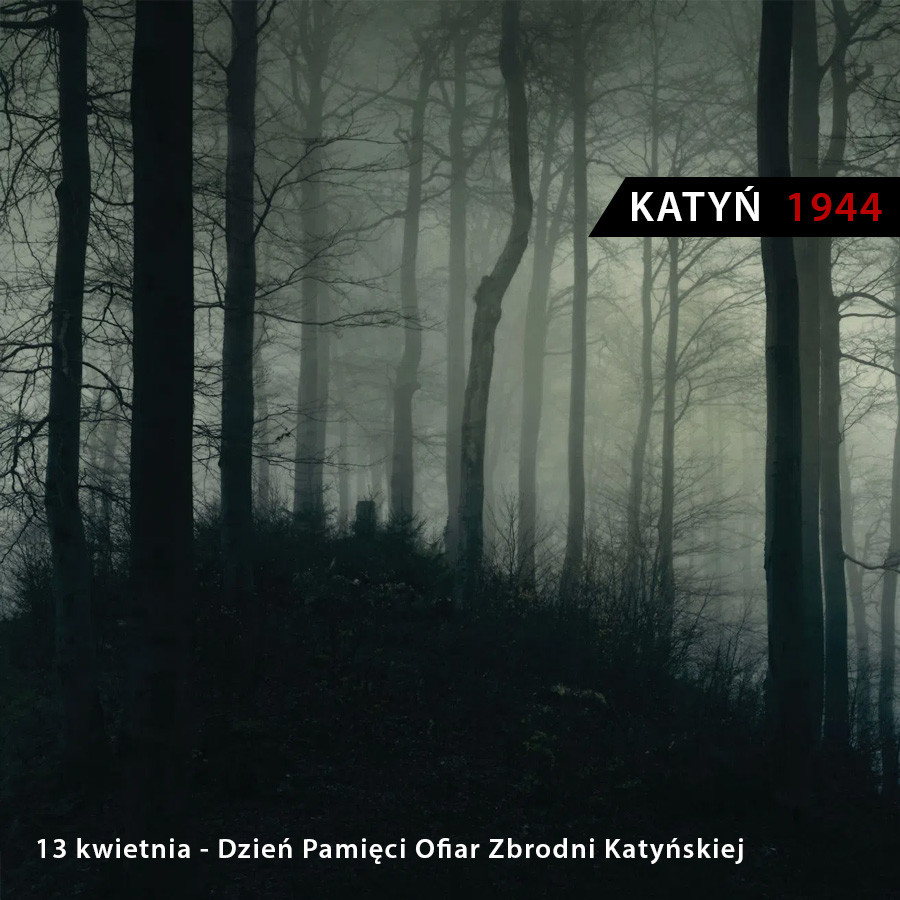
    Every year on April 13, Poland observes the Day of Remembrance for the Victims of the Katyn Massacre. It is not a ritual gesture or a symbolic date emptied of meaning. It is a solemn act of historical responsibility. The commemoration honors more than 21,000 Polish citizens—officers of the Polish Army, police officials, civil servants, professors, physicians, lawyers, engineers, and clergy—who were murdered in the spring of 1940 by the Soviet secret police, the NKVD. The Katyn Massacre was...

    Read more
  • National Day of Remembrance of the “Cursed Soldiers”
    National Day of Remembrance of the “Cursed Soldiers”

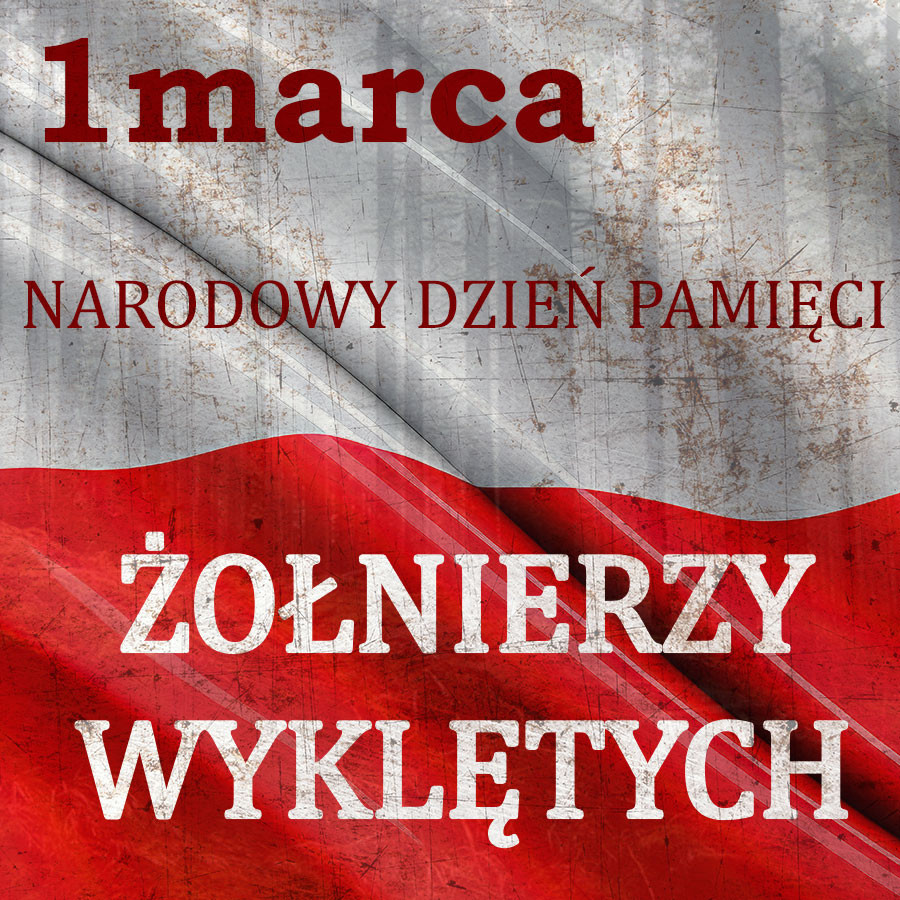
    On March 1, 1951, communist authorities executed the leadership of the Freedom and Independence organization in Warsaw’s Mokotów prison. The act was intended to close a chapter of resistance. Instead, it opened a long struggle over memory.

    Read more
  • NATIONAL VICTORY DAY
    NATIONAL VICTORY DAY

    On 8 May 1945, Germany signed its unconditional surrender. Across Western Europe, celebrations erupted. Victory in Europe Day symbolized liberation from tyranny and the restoration of sovereignty.

    Read more
Showing 1 to 10 of 12 (2 Pages)